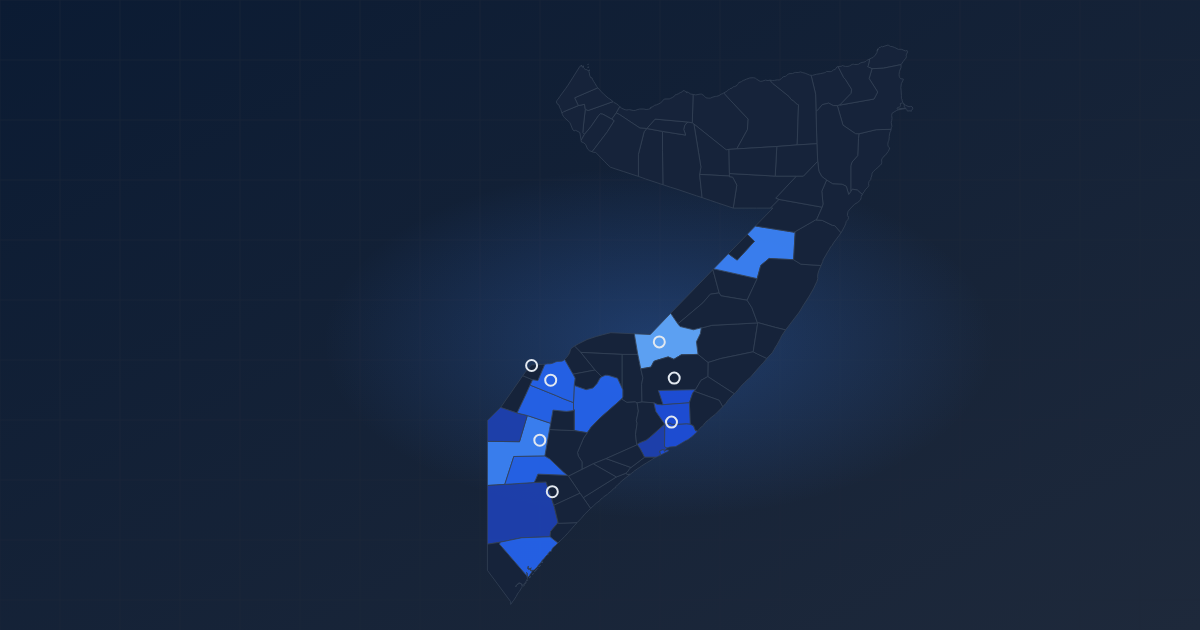
Flood Displacement Outlook for Somalia
By 19 October 2026, 29 rain stations in Somalia had reached or exceeded their October normal and the Shabelle at Jowhar had crossed its high flood-risk level, according to FAO SWALIM. IOM DTM and DRC project 874,319 people displaced between October and December, 92% of them by floods, and the Emergency Relief Coordinator endorsed a US$7 million CERF anticipatory action plan for 14 riverine districts on 3 October.
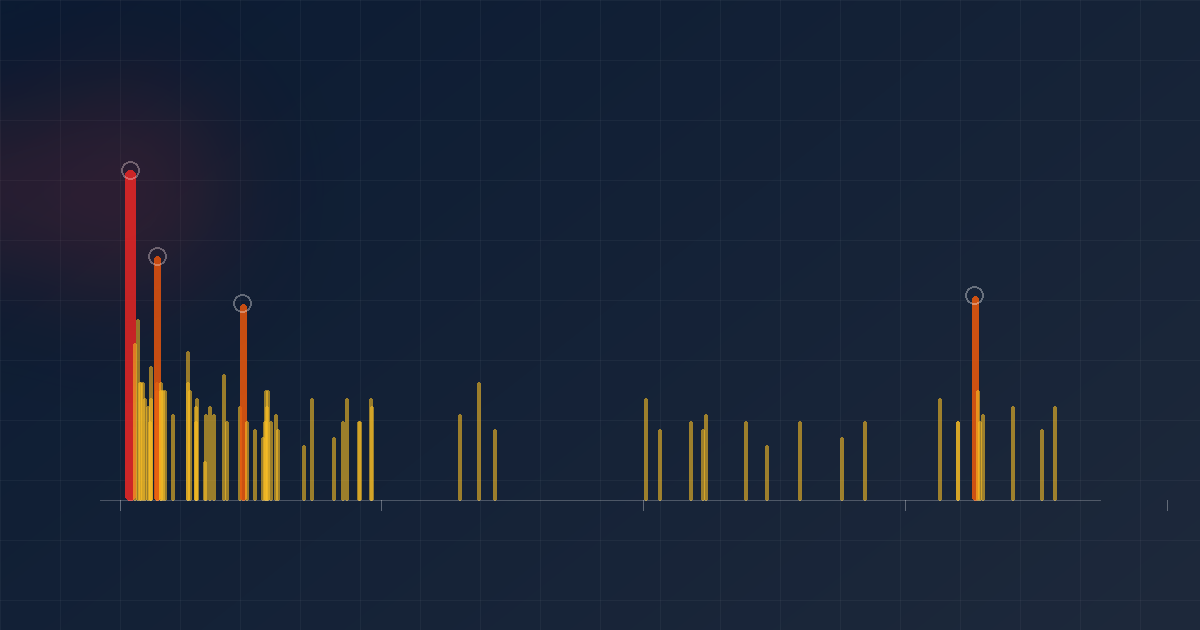
Panama Earthquake Situation Update
A magnitude 7.7 earthquake struck the Azuero Peninsula on 9 October 2026. By 12 October SINAPROC counted 2,164 families affected in 9 provinces, 506 of them with the total loss of their home, 27 people injured and no deaths; more than 800 people were in shelters, 619 schools and 29 health facilities were damaged and 11 townships of Tonosí were without water or power.

Nepal Flash Floods Situation Update
A major flash flood struck Rasuwa district after a sudden and intense surge of water entered the Bhote Koshi River from the Tibet (China) side at approximately 9:15 AM [on 26 August 2026]. The flood rapidly impacted the Timure, Rasuwagadhi, and Syabrubesi areas, causing significant damage to settlements, markets, police infrastructure, roads, and hydropower facilities.
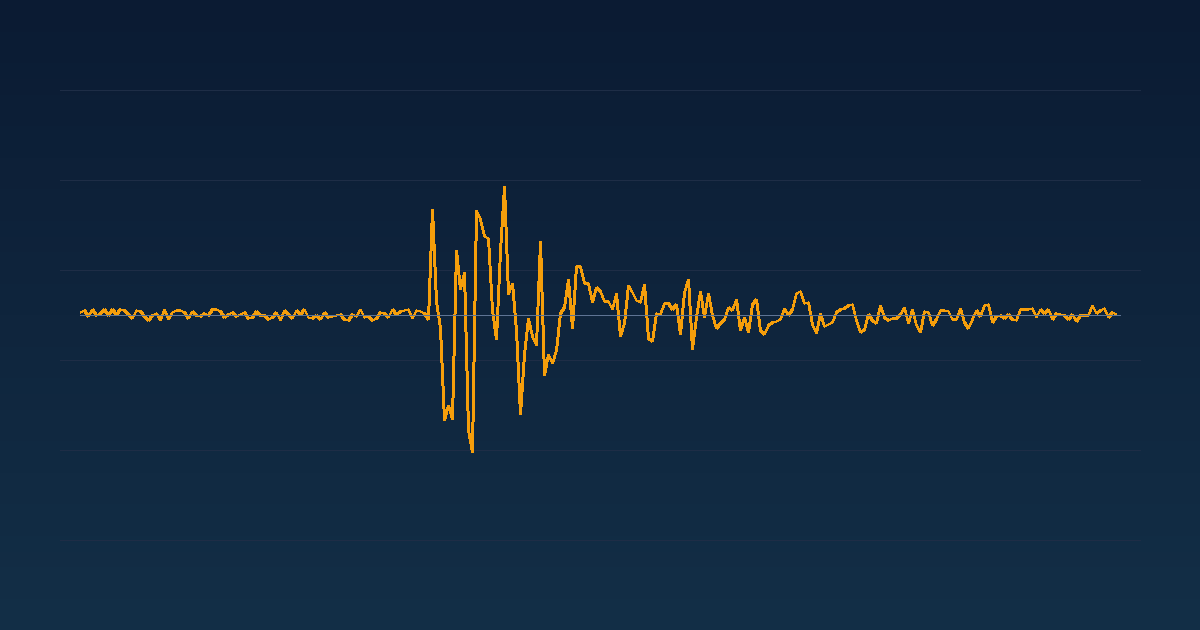
Colombia Earthquakes Situation Update
At 07:34 on Monday 10 August 2026, as children travelled to school and cities began the working week, a magnitude 7.4 earthquake struck western Colombia, its epicentre beneath San José del Palmar, a remote municipality in Chocó department.

Venezuela Earthquakes Situation Update
Two consecutive shallow earthquakes, magnitude 7.2 followed by 7.5, struck north-central Venezuela on the evening of 24 June 2026. As of 26 June, OCHA reports a provisional official toll of 920 people dead and 3,360 injured, with at least 3,007 people displaced and more than 1,423 structures affected.

Syria Floods Update
On 7–9 February 2026, heavy rainfall triggered extensive flooding across 21 IDP sites in Idleb and northern Lattakia governorates, directly affecting 5,300 displaced people in some of Syria’s most vulnerable communities (OCHA Flash Update No. 3).