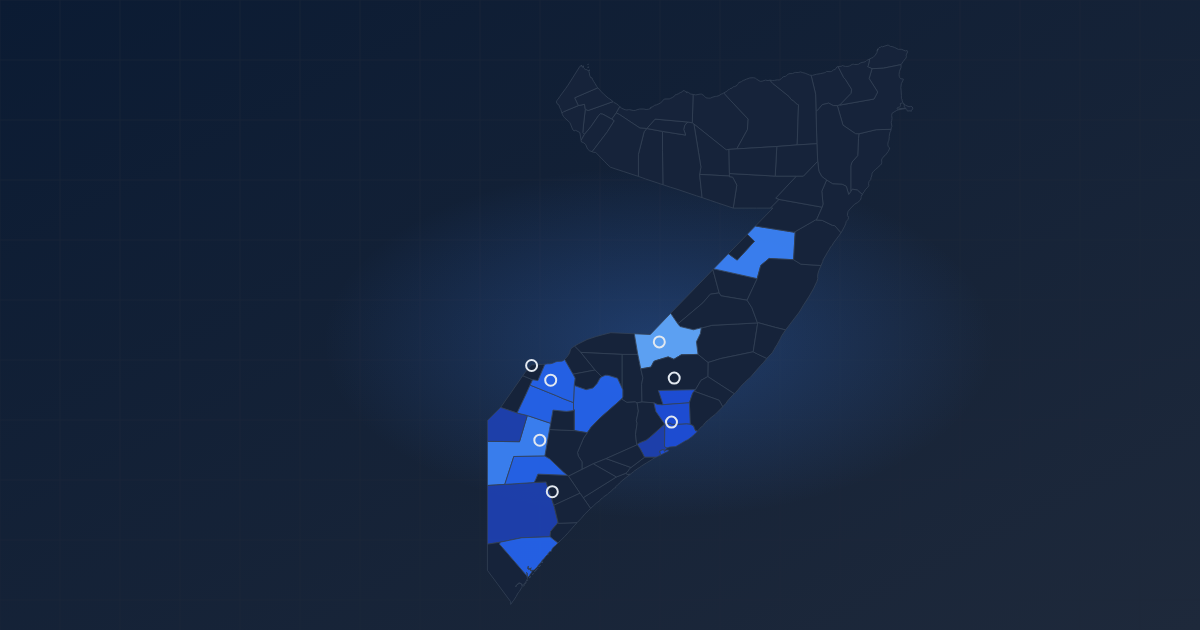
Flood Displacement Outlook for Somalia
By 19 October 2026, 29 rain stations in Somalia had reached or exceeded their October normal and the Shabelle at Jowhar had crossed its high flood-risk level, according to FAO SWALIM. IOM DTM and DRC project 874,319 people displaced between October and December, 92% of them by floods, and the Emergency Relief Coordinator endorsed a US$7 million CERF anticipatory action plan for 14 riverine districts on 3 October.
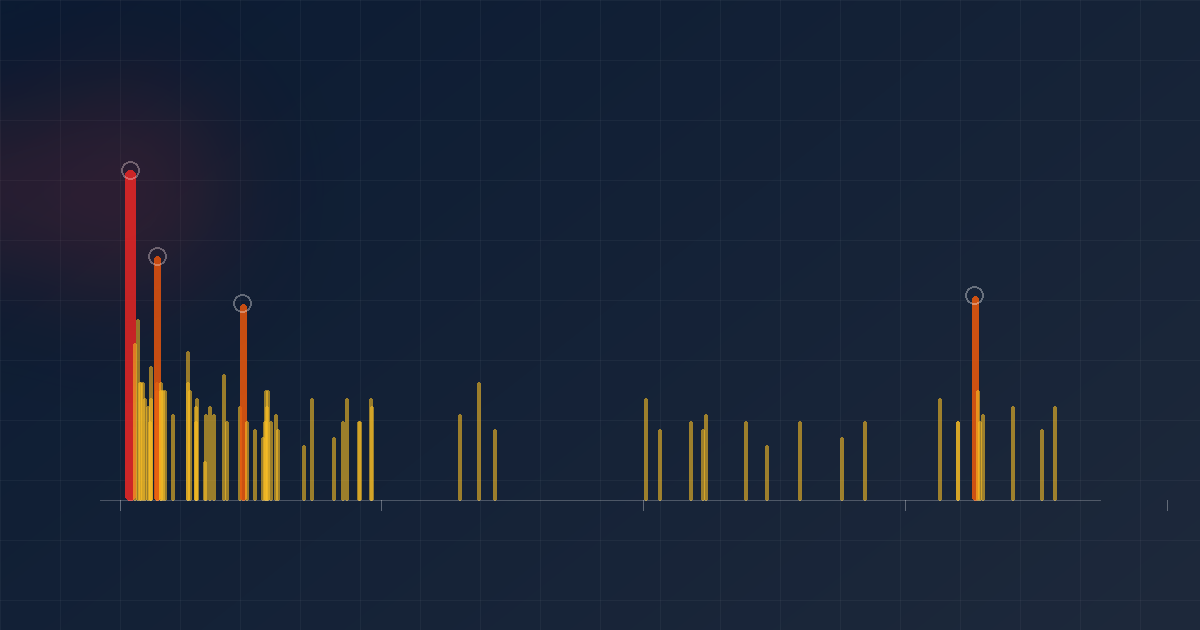
Panama Earthquake Situation Update
A magnitude 7.7 earthquake struck the Azuero Peninsula on 9 October 2026. By 12 October SINAPROC counted 2,164 families affected in 9 provinces, 506 of them with the total loss of their home, 27 people injured and no deaths; more than 800 people were in shelters, 619 schools and 29 health facilities were damaged and 11 townships of Tonosí were without water or power.
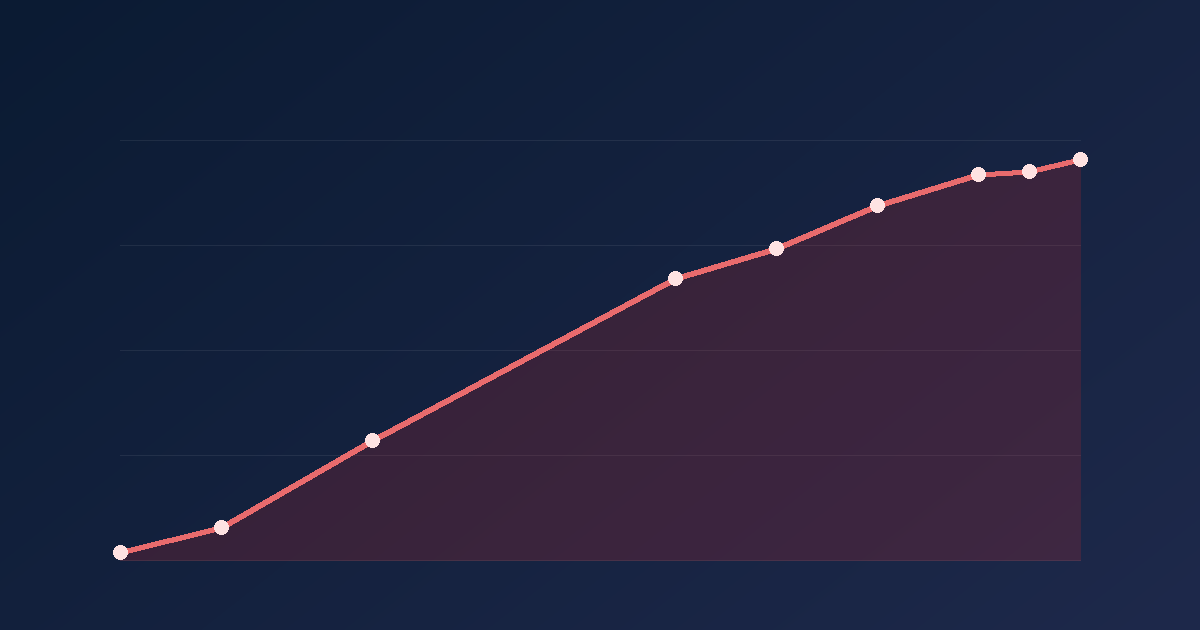
Yemen Situation Update
Yemen's war has drastically escalated in 2026, shattering the years of relative calm that followed the 2022 UN-brokered truce. While frontline combat had settled into low-intensity attrition for several years, a series of military offensives, economic disputes and regional spillover from the broader Middle East conflict have pushed the country to its highest risk of all-out civil war since 2022.
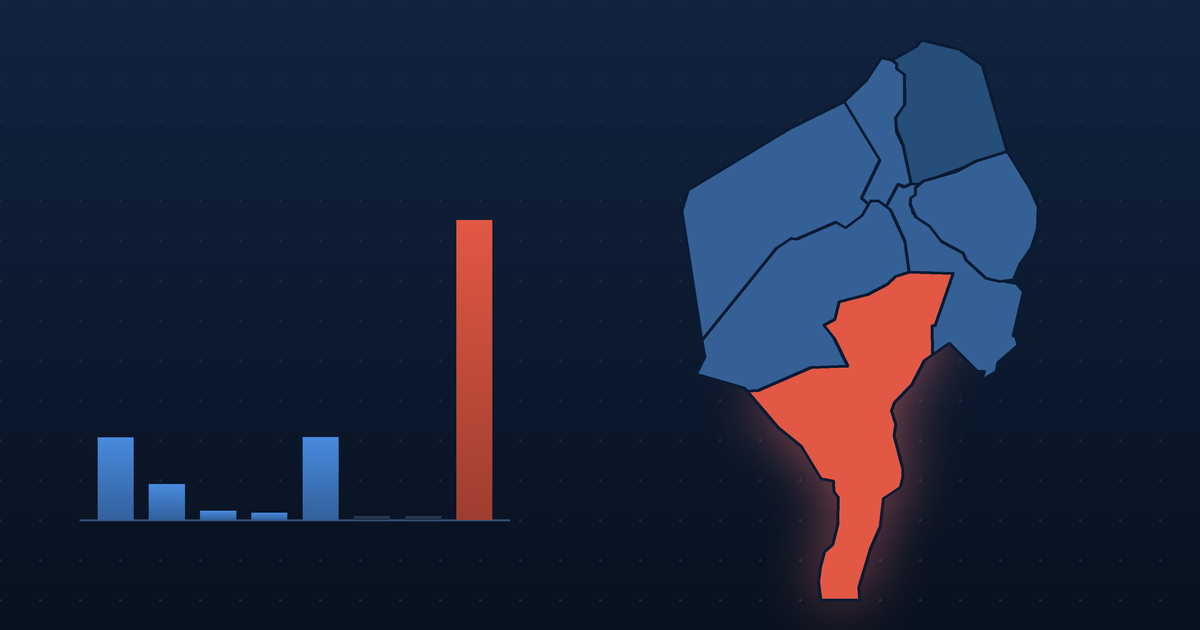
Protection Situation Update: Blue Nile, Sudan
On 28 August 2026 the RSF and allied SPLM-N al-Hilu forces attacked SAF positions at Bakori and Surkum, and control of both positions was reported to have changed, in an offensive under which IOM DTM counted more than 23,000 people leaving Geisan and Al Kurmuk between 11 and 30 August. This situation update reads the state locality by locality.

Nepal Flash Floods Situation Update
A major flash flood struck Rasuwa district after a sudden and intense surge of water entered the Bhote Koshi River from the Tibet (China) side at approximately 9:15 AM [on 26 August 2026]. The flood rapidly impacted the Timure, Rasuwagadhi, and Syabrubesi areas, causing significant damage to settlements, markets, police infrastructure, roads, and hydropower facilities.

Middle East Situation Update #4
6 months into the war the United States and Israel launched against Iran, displacement in Lebanon has fallen. More than 2 million people have moved back across the region, many under deportation or pressure, into conditions that cannot yet hold them.
Colombia Earthquakes Situation Update
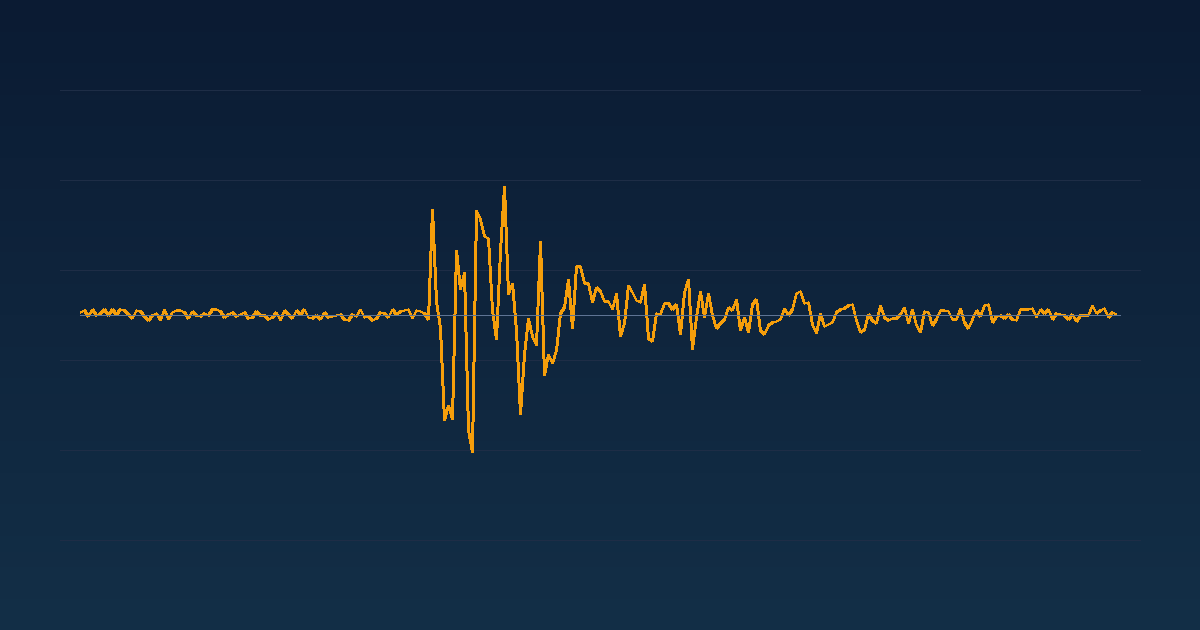
At 07:34 on Monday 10 August 2026, as children travelled to school and cities began the working week, a magnitude 7.4 earthquake struck western Colombia, its epicentre beneath San José del Palmar, a remote municipality in Chocó department.

Venezuela Earthquakes Situation Update
Two consecutive shallow earthquakes, magnitude 7.2 followed by 7.5, struck north-central Venezuela on the evening of 24 June 2026. As of 26 June, OCHA reports a provisional official toll of 920 people dead and 3,360 injured, with at least 3,007 people displaced and more than 1,423 structures affected.
DRC: 2026 Ebola Outbreak
On 15 May 2026, authorities in the Democratic Republic of Congo declared an Ebola outbreak after cases were confirmed in Ituri and North Kivu, with further cases later confirmed in South Kivu.

Middle East Situation Update #3
The regional crisis triggered by the 28 February 2026 US-Israeli military offensive against Iran has displaced an estimated 4.25 million people internally across Iran (3.2M) and Lebanon (1.05M+), while generating over 574,000 cross-border movements across nine countries. A two-week ceasefire was announced on 9 April, but the 8 April strikes in Lebanon — over 100 strikes within 10 minutes, killing 200+ — underscore continued volatility. IOM DTM Round 5 tracks 359,532 crossings from Lebanon to Syria, 141,538 from Iran to Afghanistan, and 88,600 to Turkiye. The Strait of Hormuz closure has driven oil prices up ~50%, with WFP warning 45 million additional people could face acute food insecurity globally. Flash appeals totalling $388M are critically underfunded: Iran at 8%, Lebanon at 14%.

From Iran to Gaza: Mapping the Humanitarian Shockwave of the US-Israeli War on Iran
Since the launch of the US-Israeli war on Iran, 4,148,100 people have been internally displaced across the region. In Iran, 1,348 civilians have been killed and over 17,000 injured since the start of the attacks carried out by Israel and the US.

Middle East Situation Update #2
Operation Epic Fury, launched jointly by the United States and Israel on 28 February 2026, marks the largest military escalation in the Middle East since 2003. Over 2,000 strikes have been conducted against targets in Iran, while Iranian retaliatory missile and drone salvos have struck seven neighbouring states. By 6 March, the UN declared the crisis a “major humanitarian emergency” affecting regions hosting nearly 25 million refugees. Civilian casualties, mass displacement, and humanitarian supply-chain disruptions are escalating daily across a theatre spanning from Beirut to the Strait of Hormuz.