Yemen Situation Update
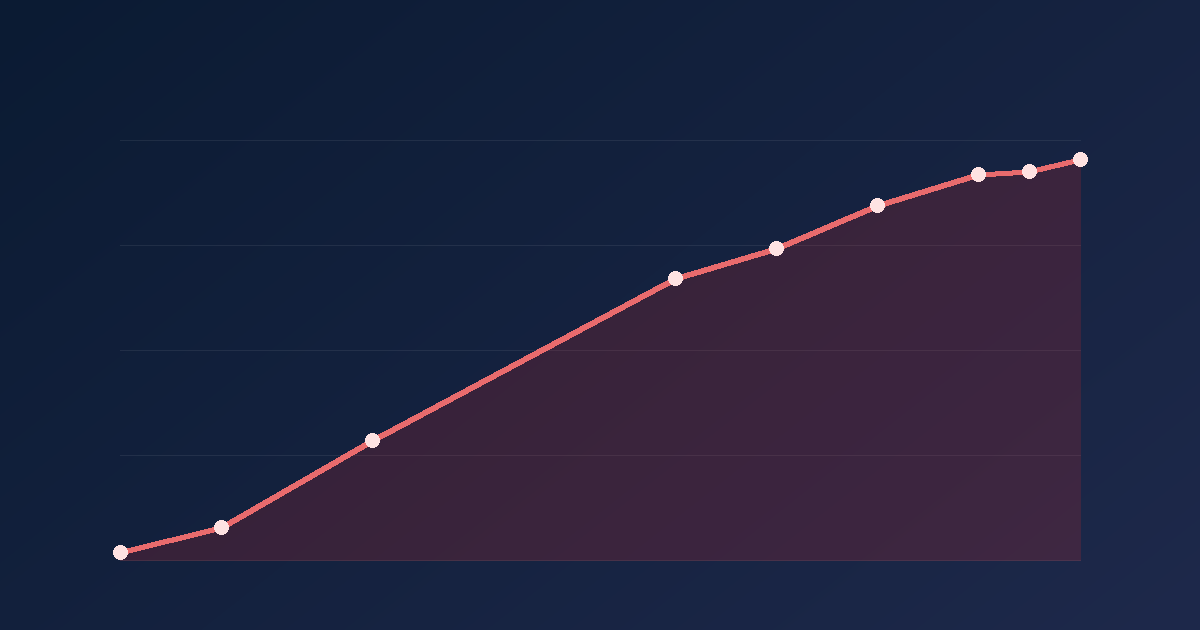
Yemen's war has drastically escalated in 2026, shattering the years of relative calm that followed the 2022 UN-brokered truce. While frontline combat had settled into low-intensity attrition for several years, a series of military offensives, economic disputes and regional spillover from the broader Middle East conflict have pushed the country to its highest risk of all-out civil war since 2022.
Protection Situation Update: Blue Nile, Sudan
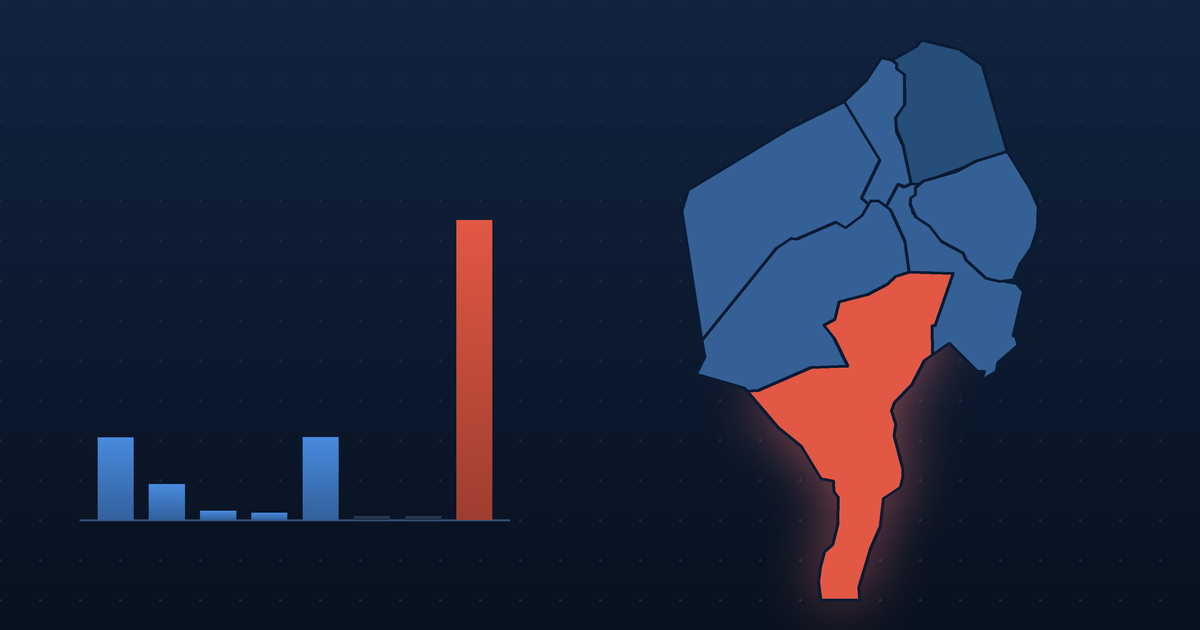
On 28 August 2026 the RSF and allied SPLM-N al-Hilu forces attacked SAF positions at Bakori and Surkum, and control of both positions was reported to have changed, in an offensive under which IOM DTM counted more than 23,000 people leaving Geisan and Al Kurmuk between 11 and 30 August. This situation update reads the state locality by locality.

Middle East Situation Update #4
6 months into the war the United States and Israel launched against Iran, displacement in Lebanon has fallen. More than 2 million people have moved back across the region, many under deportation or pressure, into conditions that cannot yet hold them.

Middle East Situation Update #3
The regional crisis triggered by the 28 February 2026 US-Israeli military offensive against Iran has displaced an estimated 4.25 million people internally across Iran (3.2M) and Lebanon (1.05M+), while generating over 574,000 cross-border movements across nine countries. A two-week ceasefire was announced on 9 April, but the 8 April strikes in Lebanon — over 100 strikes within 10 minutes, killing 200+ — underscore continued volatility. IOM DTM Round 5 tracks 359,532 crossings from Lebanon to Syria, 141,538 from Iran to Afghanistan, and 88,600 to Turkiye. The Strait of Hormuz closure has driven oil prices up ~50%, with WFP warning 45 million additional people could face acute food insecurity globally. Flash appeals totalling $388M are critically underfunded: Iran at 8%, Lebanon at 14%.

Middle East Situation Update #2
Operation Epic Fury, launched jointly by the United States and Israel on 28 February 2026, marks the largest military escalation in the Middle East since 2003. Over 2,000 strikes have been conducted against targets in Iran, while Iranian retaliatory missile and drone salvos have struck seven neighbouring states. By 6 March, the UN declared the crisis a “major humanitarian emergency” affecting regions hosting nearly 25 million refugees. Civilian casualties, mass displacement, and humanitarian supply-chain disruptions are escalating daily across a theatre spanning from Beirut to the Strait of Hormuz.

Lebanon reports over 83,000 displaced as hostilies with Israel intensify
A massive Israeli military escalation struck Lebanon beginning 2 March 2026, following a large-scale projectile barrage from Lebanon toward northern Israel. Strikes targeted command centres in Beirut, the Bekaa Valley, and southern Lebanon, triggering mass civilian evacuations. By 4 March, Israel had launched a ground invasion of southern Lebanon and issued forced evacuation orders for the entire region south of the Litani River. At least 83,000 people have been displaced, with over 12,000 families sheltering in 300+ collective sites — dozens already at full capacity. At least 72 people have been killed (including 7 children) and 437 wounded.

Middle East Situation Update #1
This analysis traces the full arc from the December protests through to 28 February 2026, examining Iran’s land, air, rail and maritime crossing infrastructure in its current conflict-disrupted state. It provides a systematic assessment of the migration management frameworks and border policies of each of Iran’s seven neighbouring states — a critical factor for determining how many people from Iran may be able to seek safety, through which corridors, and under what protection frameworks.