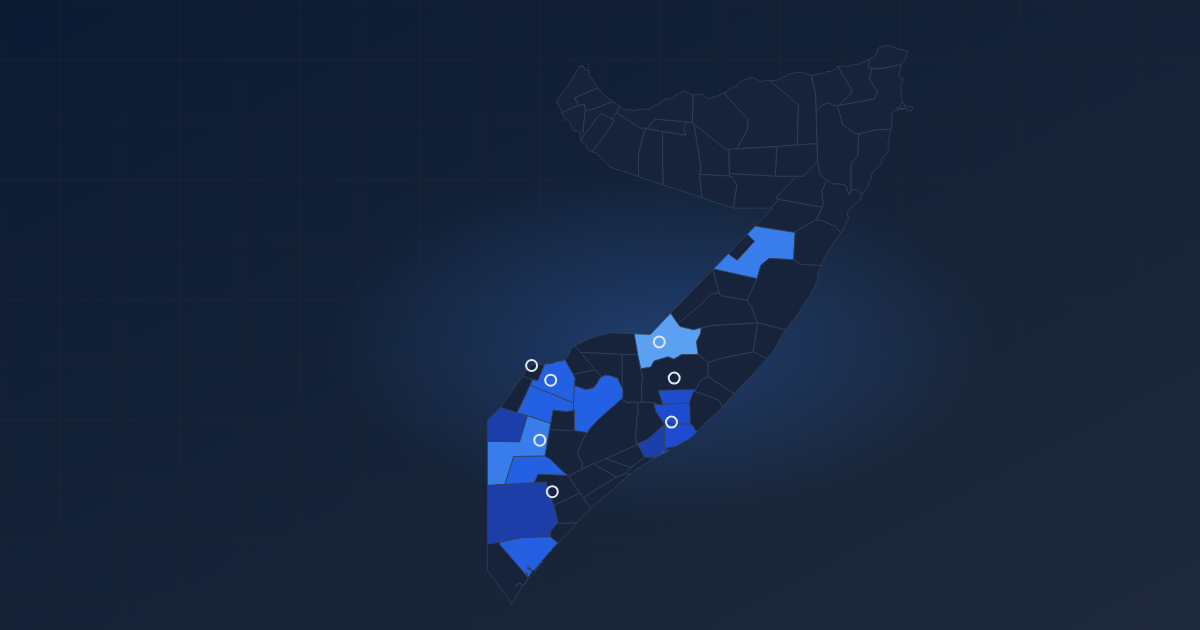
Flood Displacement Outlook for Somalia
By 19 October 2026, 29 rain stations in Somalia had reached or exceeded their October normal and the Shabelle at Jowhar had crossed its high flood-risk level, according to FAO SWALIM. IOM DTM and DRC project 874,319 people displaced between October and December, 92% of them by floods, and the Emergency Relief Coordinator endorsed a US$7 million CERF anticipatory action plan for 14 riverine districts on 3 October.
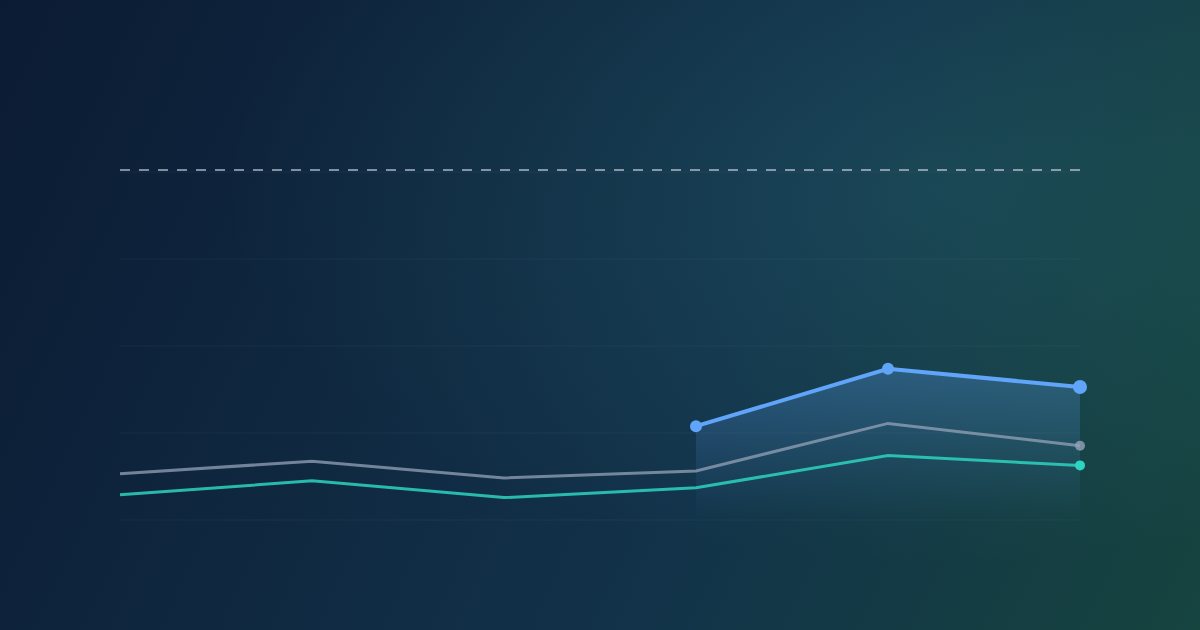
Who Gets to Know? The Grand Bargain's Missing Commitment
This piece examines the production and control of knowledge in the humanitarian system as a less discussed dimension. The Grand Bargain's commitments on transparency and on joint needs assessment asked organisations to publish and share their data; none gave local actors or affected people authority over the evidence itself: who produces it, who holds it and who can contest it. That authority is the missing commitment of the title.
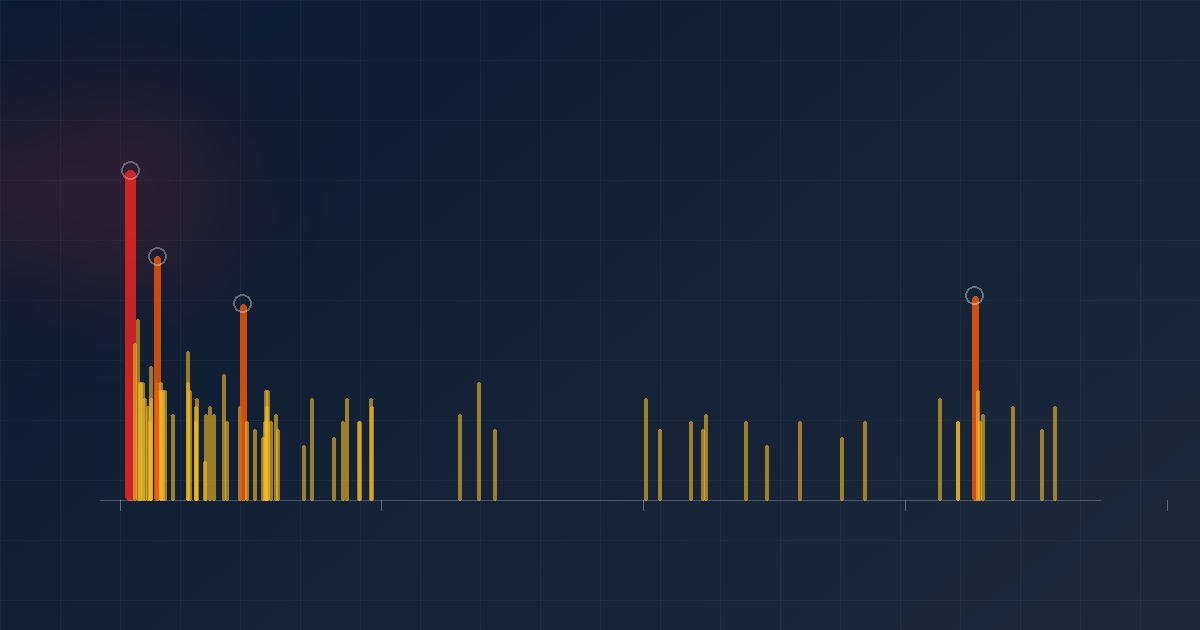
Panama Earthquake Situation Update
A magnitude 7.7 earthquake struck the Azuero Peninsula on 9 October 2026. By 12 October SINAPROC counted 2,164 families affected in 9 provinces, 506 of them with the total loss of their home, 27 people injured and no deaths; more than 800 people were in shelters, 619 schools and 29 health facilities were damaged and 11 townships of Tonosí were without water or power.
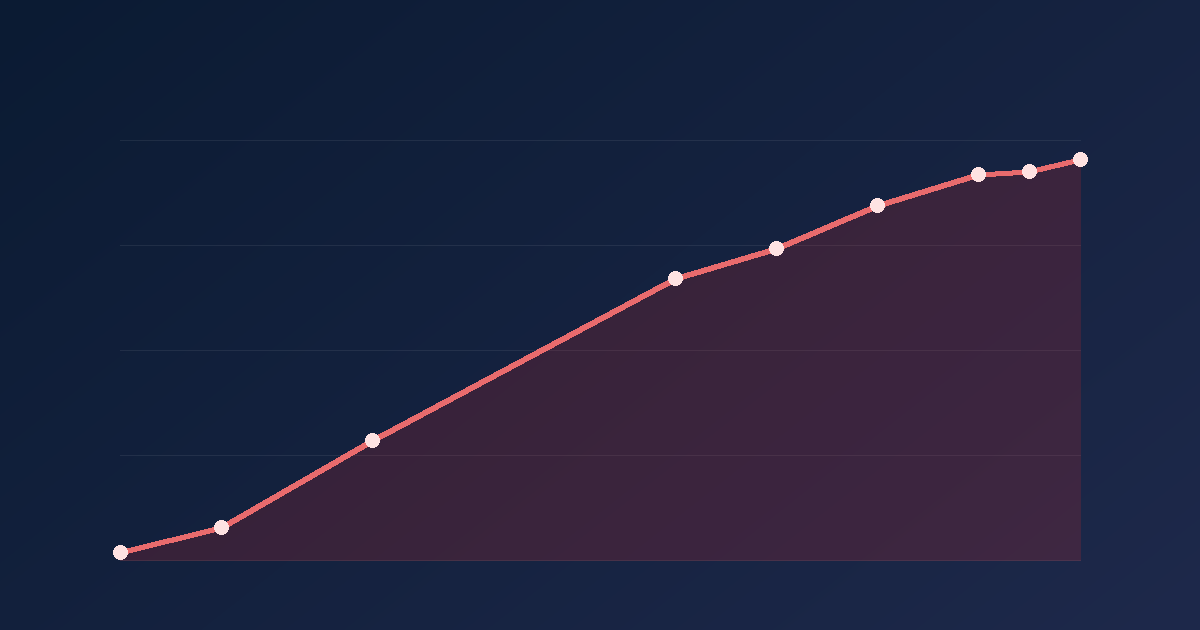
Yemen Situation Update
Yemen's war has drastically escalated in 2026, shattering the years of relative calm that followed the 2022 UN-brokered truce. While frontline combat had settled into low-intensity attrition for several years, a series of military offensives, economic disputes and regional spillover from the broader Middle East conflict have pushed the country to its highest risk of all-out civil war since 2022.
Protection Situation Update: Blue Nile, Sudan
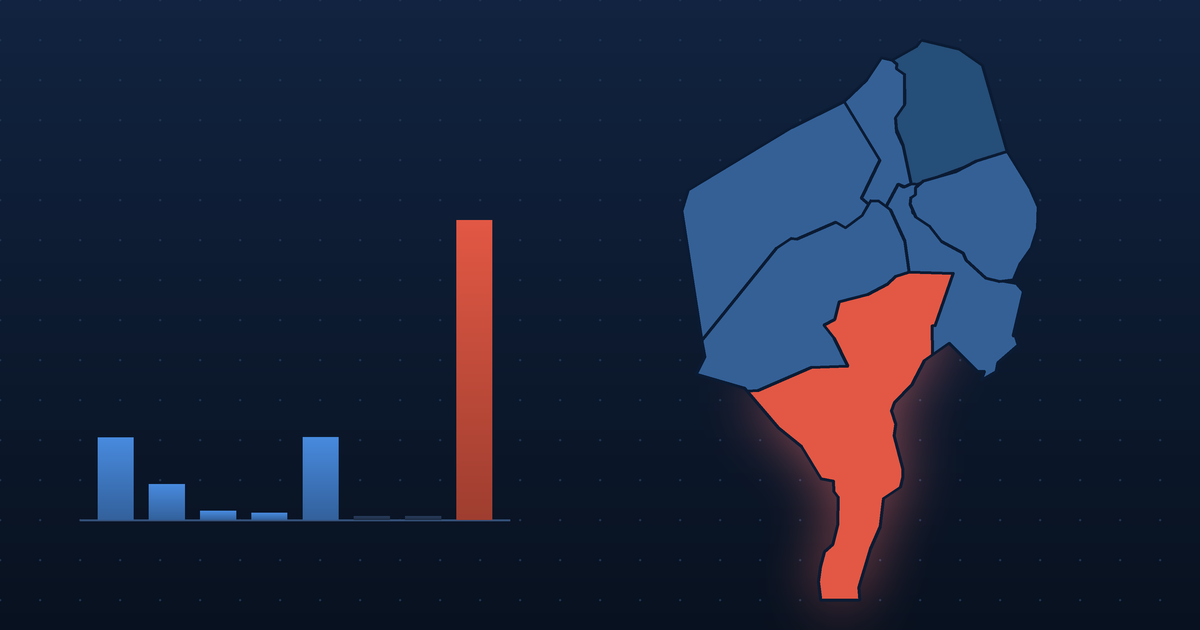
On 28 August 2026 the RSF and allied SPLM-N al-Hilu forces attacked SAF positions at Bakori and Surkum, and control of both positions was reported to have changed, in an offensive under which IOM DTM counted more than 23,000 people leaving Geisan and Al Kurmuk between 11 and 30 August. This situation update reads the state locality by locality.

Deleting self-reliance: what the SOHS 2026 finding looks like in a donor's own funding texts
Aid recipients asked for the chance to need aid less, and SOHS 2026 records that funding cuts went the other way. DG ECHO's Palestine decisions show how: the words nexus, resilience and self-reliance disappear from the text first, and the budgets follow.
El Nino 2026-27 in Eastern and Southern Africa
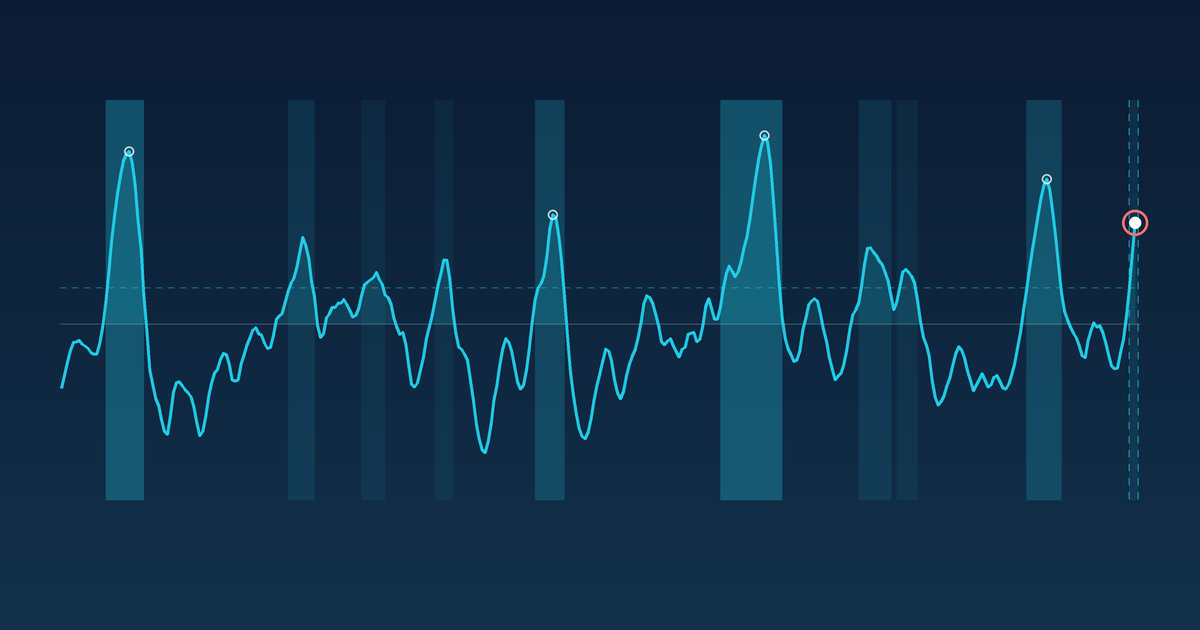
The 2026-27 El Niño set against PRISM's 26-year record for the 13 countries UNICEF named: floods east, drought south, 162 million children in exposed areas, 51.5 million people already in IPC Phase 3 or worse, and humanitarian plans 44.8% funded. With a decision window to February 2027 and a dated watchlist.

Nepal Flash Floods Situation Update
A major flash flood struck Rasuwa district after a sudden and intense surge of water entered the Bhote Koshi River from the Tibet (China) side at approximately 9:15 AM [on 26 August 2026]. The flood rapidly impacted the Timure, Rasuwagadhi, and Syabrubesi areas, causing significant damage to settlements, markets, police infrastructure, roads, and hydropower facilities.

Middle East Situation Update #4
6 months into the war the United States and Israel launched against Iran, displacement in Lebanon has fallen. More than 2 million people have moved back across the region, many under deportation or pressure, into conditions that cannot yet hold them.
Aid Worker Security in 2025
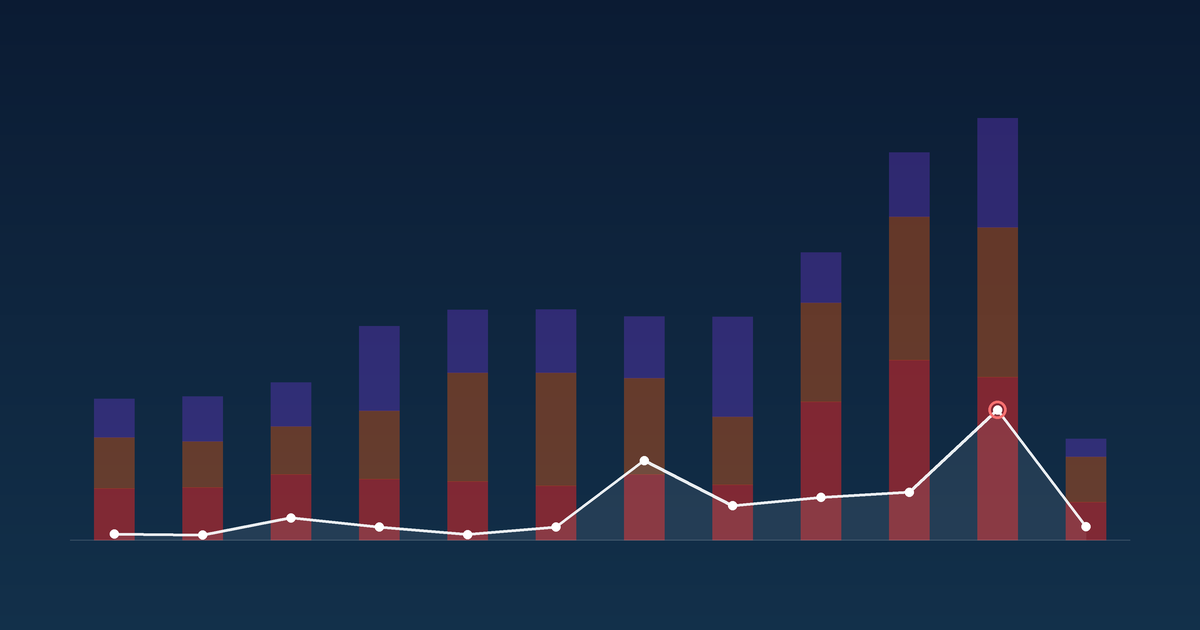
World Humanitarian Day marks the 23rd anniversary of the Canal Hotel bombing in Baghdad. The commemoration is built on a count of the dead, injured and kidnapped. That count now misses the fastest-growing threat to humanitarian staff, and the weapon most responsible for reshaping it has no place in the taxonomy at all.
Protection Funding 2021–2026: The Cuts Reached the Evidence
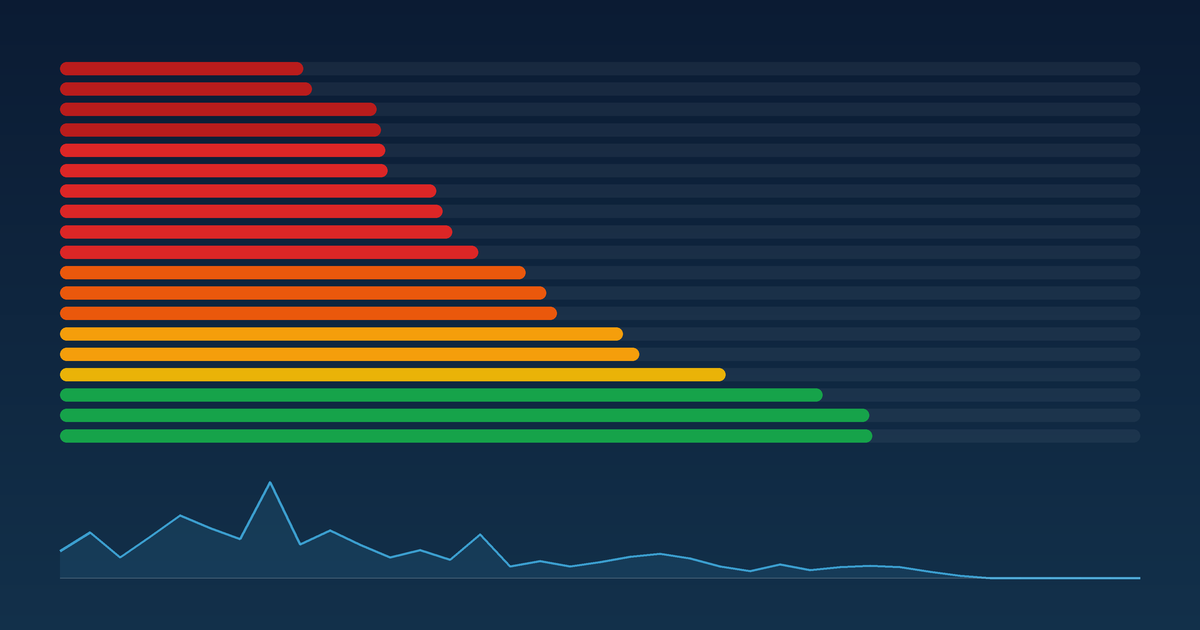
Protection is the part of humanitarian response that is hardest to defend in a shrinking budget and hardest to rebuild once cut. It does not deliver a tonnage figure. Its outputs are presence, continuity, case files and analysis, and those are the first line items to go when donors narrow their funding around visibly life-saving delivery.
Colombia Earthquakes Situation Update
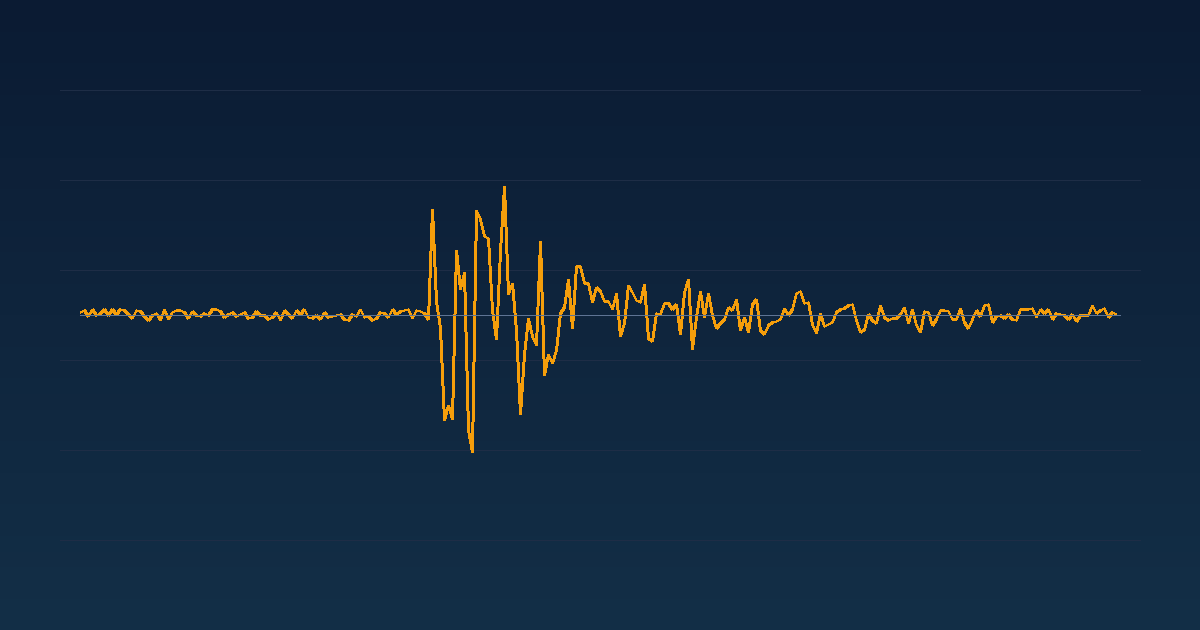
At 07:34 on Monday 10 August 2026, as children travelled to school and cities began the working week, a magnitude 7.4 earthquake struck western Colombia, its epicentre beneath San José del Palmar, a remote municipality in Chocó department.